Named decision owners
Authority for recurring session decisions is assigned before testimony.
 NationwideLegal video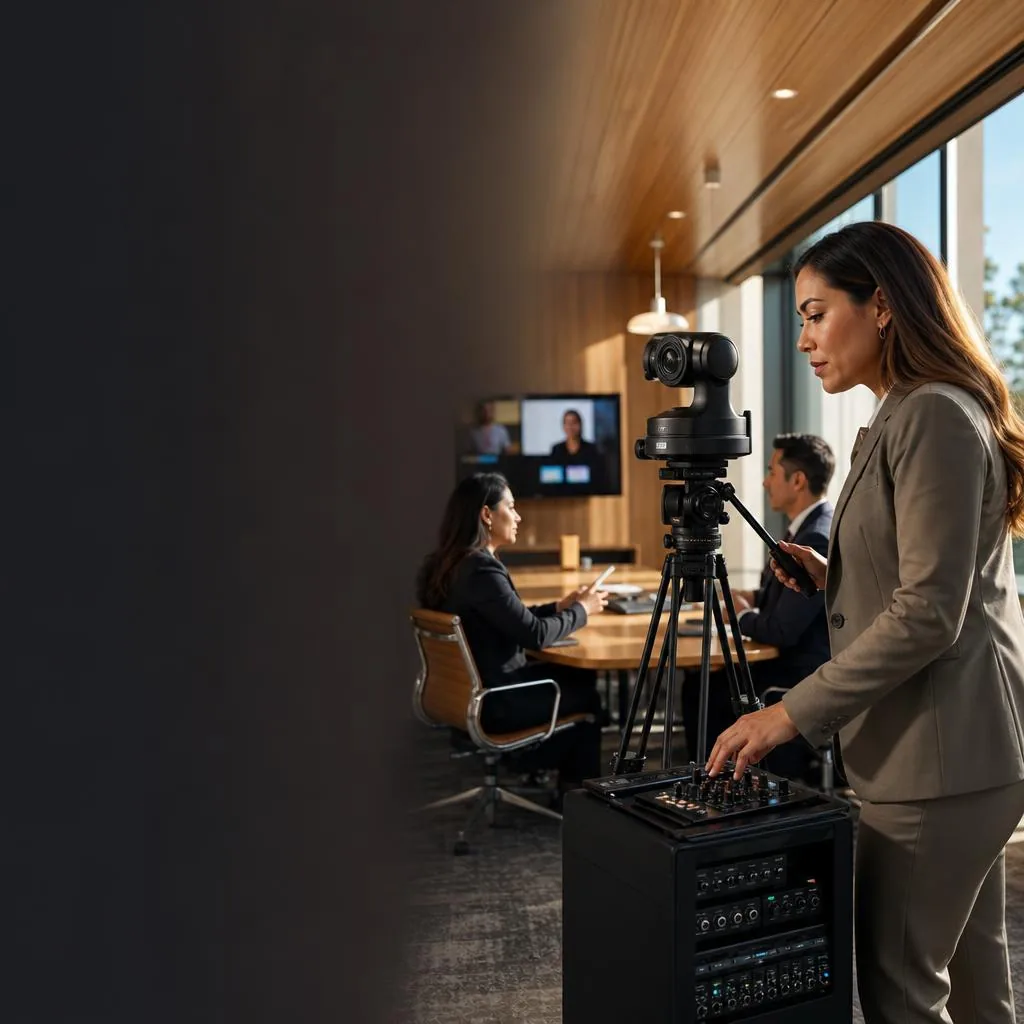
Give a San Jose remote deposition an explicit chain of decision-making: who admits attendees, calls on-record transitions, releases exhibits, addresses disruptions, and directs the requested recording.
Named decision owners
Authority for recurring session decisions is assigned before testimony.
Explicit record signals
Authorized on-record and off-record directions have a clear communication path.
Separated responsibilities
Technical response remains distinct from legal and procedural judgment.
Controlled conclusion
The authorized role directs session closure and requested media disposition.
San Jose / preparation
Confirm the people, setting, timing, and requested deliverables for this remote deposition before work begins in San Jose.
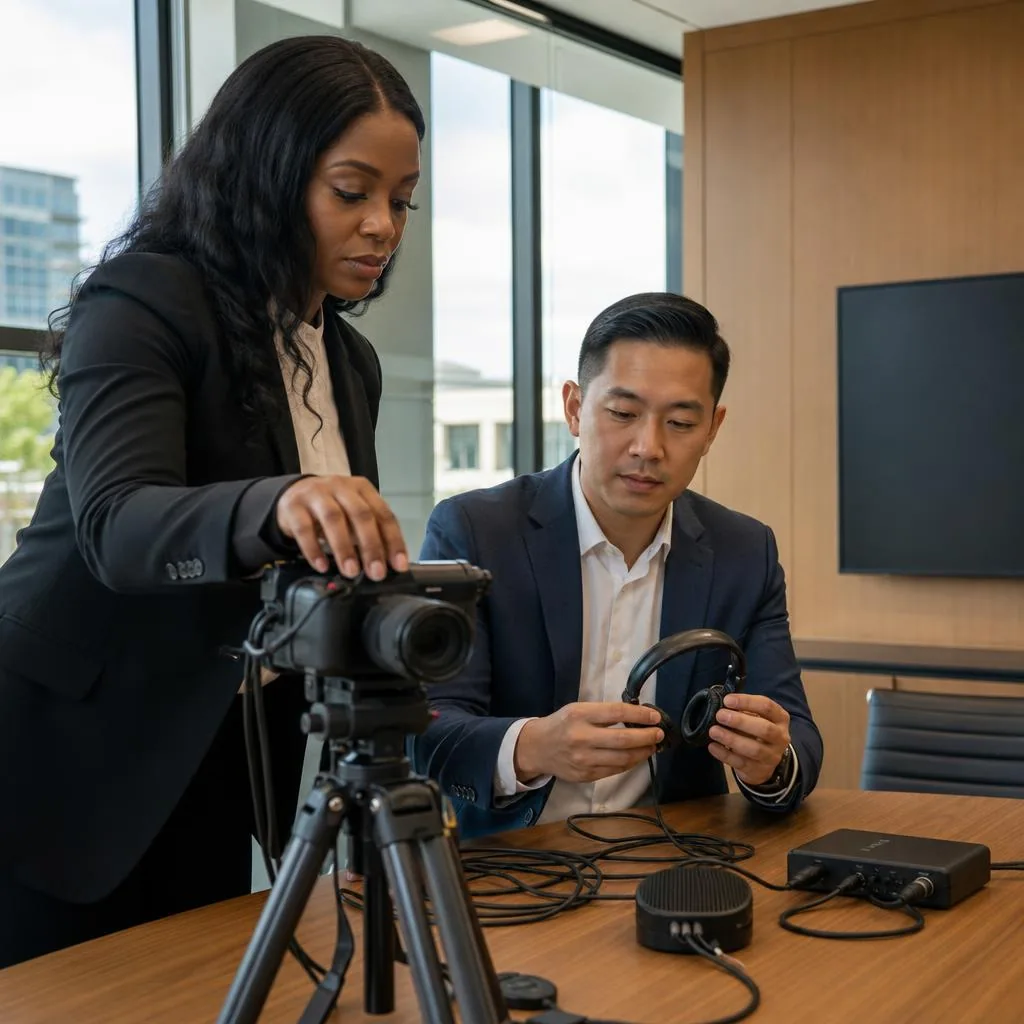
San Jose / live work
A focused remote deposition workflow keeps the legal team’s stated proceeding plan central while the work is underway.
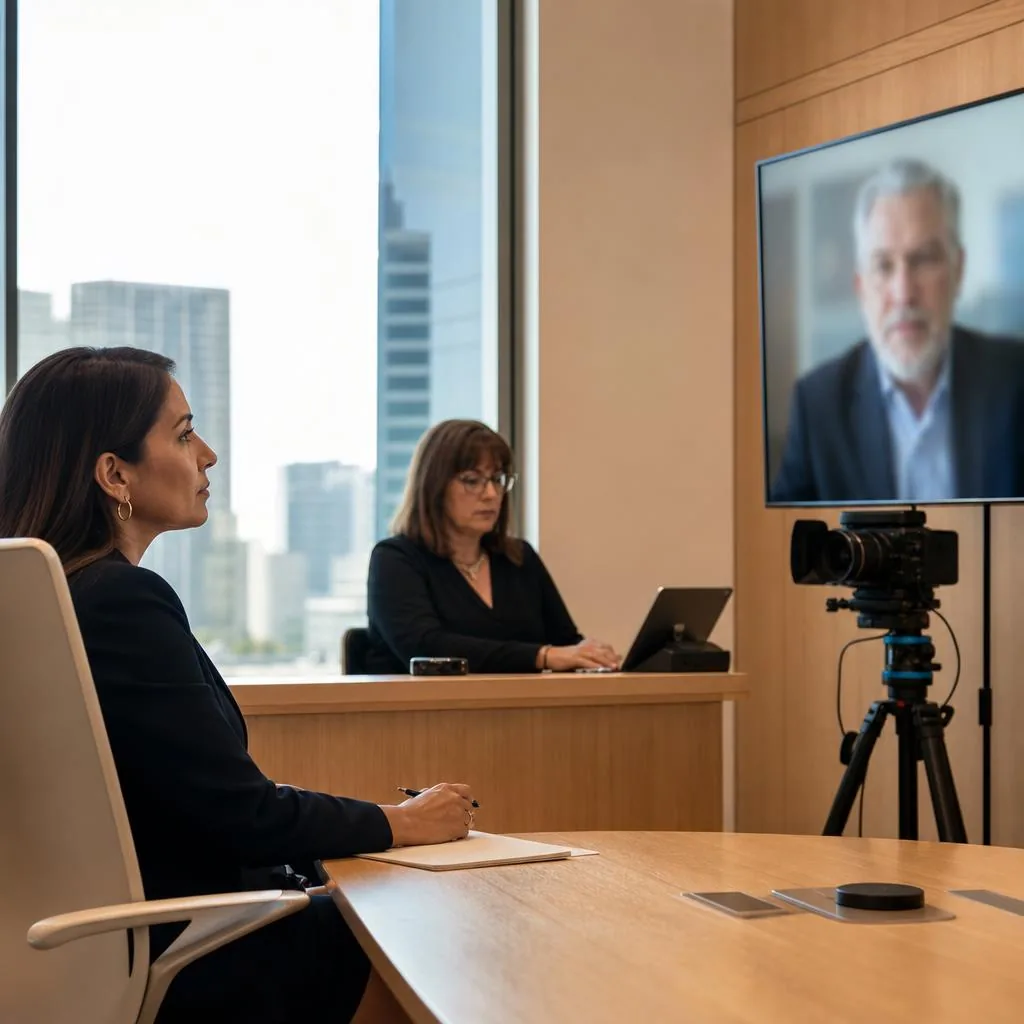
San Jose / record detail
The assignment is handled with attention to the agreed scope, source materials, and the practical details that shape a usable record.
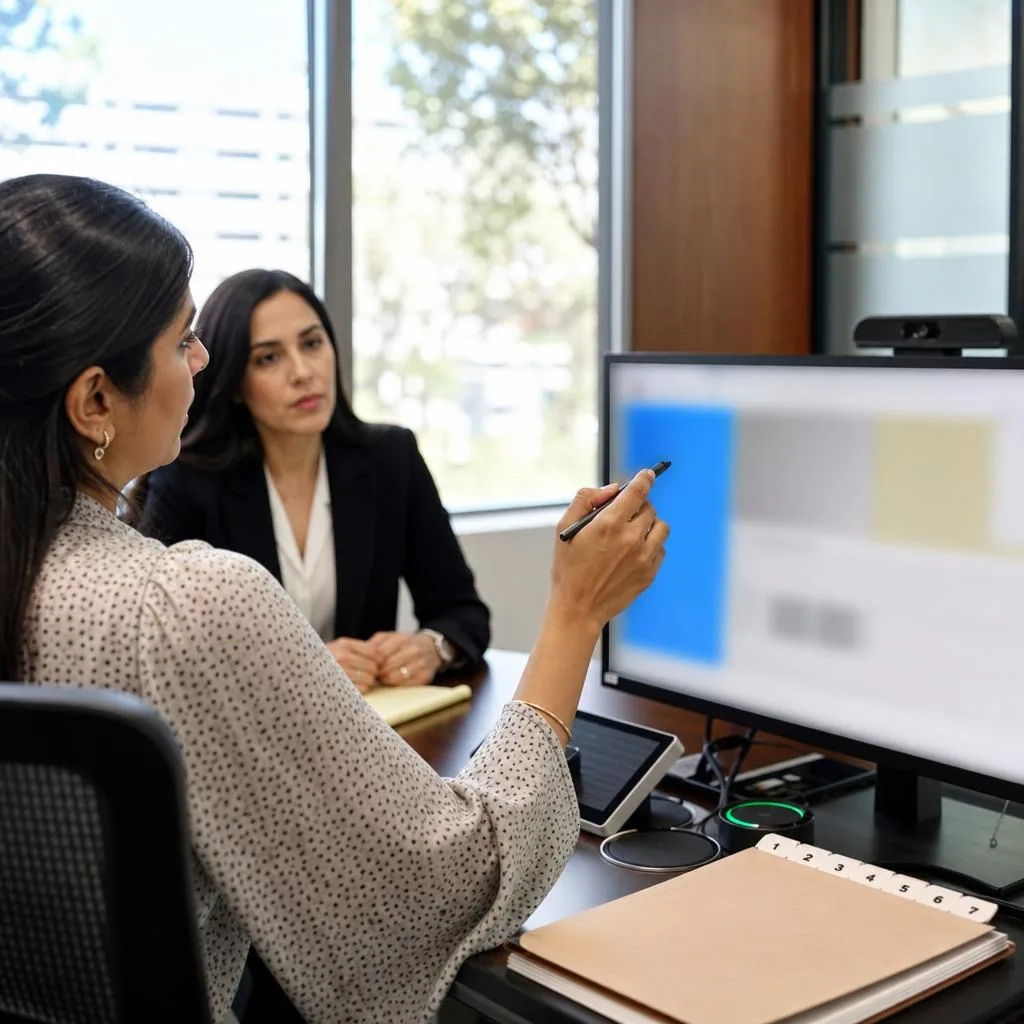
San Jose / handoff
Before delivery, confirm the recipients, file expectations, and any follow-on work requested by the San Jose legal team.
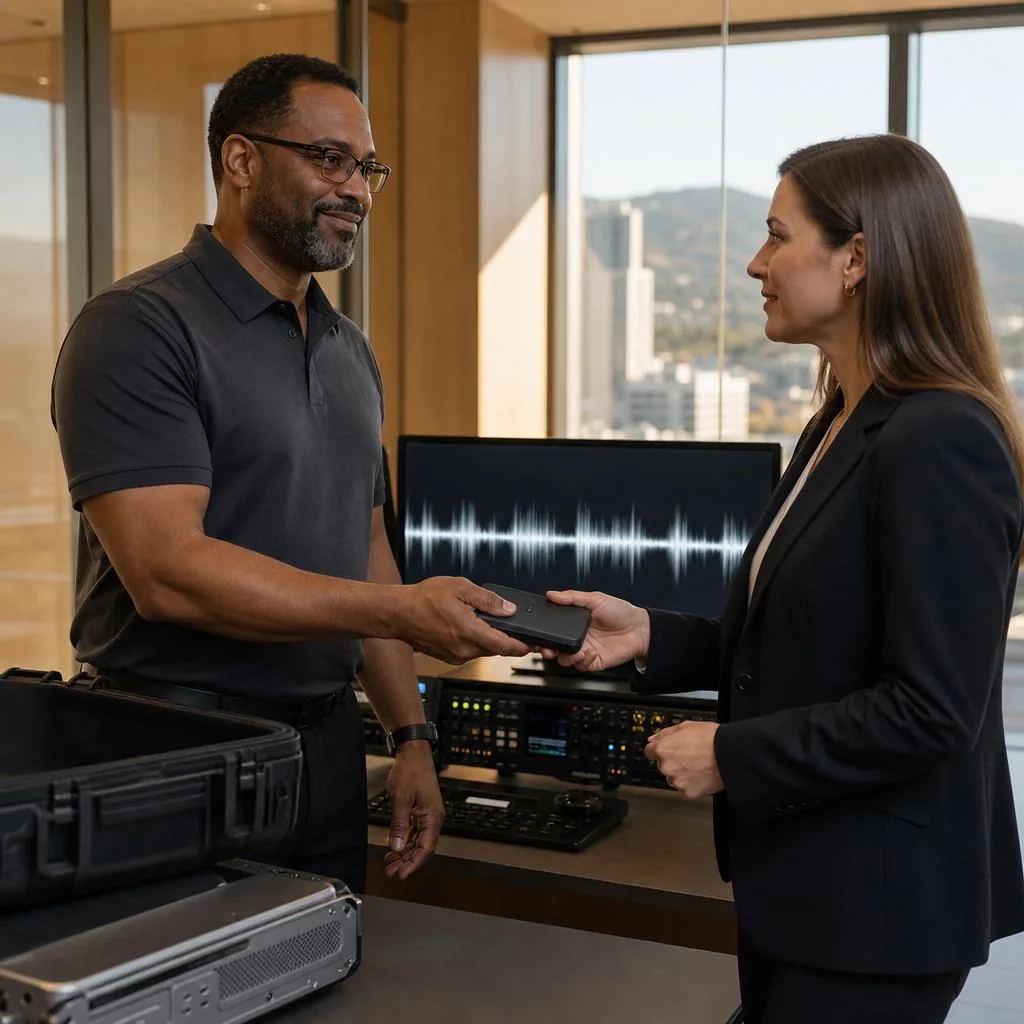
Remote testimony works more deliberately when procedural authority and technical action are not treated as the same role.
For a San Jose matter, counsel can create a short decision-rights plan identifying who has authority over attendance, on-record and off-record direction, exhibit release, and responses to an interruption. The platform then carries out those decisions rather than becoming the place where responsibility is improvised.
Caption Legal coordinates the requested remote support under that plan. Counsel and the appropriate proceeding participants retain control of legal protocol, objections, confidentiality, attendance, and record instructions; technical support does not decide those questions.
Explore the national Remote Depositions serviceSan Jose coordination
Tell us what the record needs next. We’ll coordinate the right technical setup for your proceeding.
The legal team can assign each decision to a named role and state who communicates it during testimony.
Counsel identifies the authorized decision-maker for expected attendees, late arrivals, and anyone whose participation is disputed.
The plan names the role authorized to communicate when testimony is on the record, off the record, paused, or concluded.
Counsel designates who may introduce or display a document and who resolves competing instructions about access.
A stated escalation path separates technical troubleshooting from legal decisions about whether testimony should continue.
Session control can be organized around decisions that recur throughout the deposition.
A named legal-team authority directs admission when expected or unexpected attendees arrive.
Authorized instructions distinguish on-record activity, breaks, and the conclusion of the session.
The legal team determines when identified material is shown and who should receive it.
Instead of beginning with platform features, preparation begins with authority and the events that require a decision.
Identify the roles authorized to direct admission, record status, exhibit release, and responses to interruption.
Specify how authorized decisions will be communicated during the remote deposition.
Establish who receives a technical issue and who decides its procedural consequence.
Name the person who confirms conclusion of testimony and the requested disposition of recorded media.
San Jose / next step
Call our scheduling team or share the proceeding details. We’ll help coordinate the next technical handoff.
San Jose’s approved broad-location guidance distinguishes remote appearance instructions from in-person assignments and notes that the confirmed platform and attendee roles matter. For a deposition request, counsel should supply the actual remote arrangement and its own proceeding instructions rather than assume a court’s remote-hearing practice controls the session.
When a matter also involves a confirmed court assignment, keep that setting and its instructions distinct from the deposition control sheet. Caption Legal does not interpret a notice, authorize an appearance method, or make procedural decisions.
Explore all services in San JoseHybrid deposition support addresses a physical room joined to remote attendance. Legal videography, editing, and transcript synchronization may serve separately requested recording and review needs after counsel defines the remote proceeding.
Coordinated physical-room and virtual-platform support for proceedings with distributed participants.
Professional video and audio capture for depositions, hearings, examinations, and other recorded legal proceedings.
Focused editing for deposition video, trial presentation material, and other legal media.
Synchronized transcript and video deliverables that make recorded testimony easier to navigate.
From the Research Center
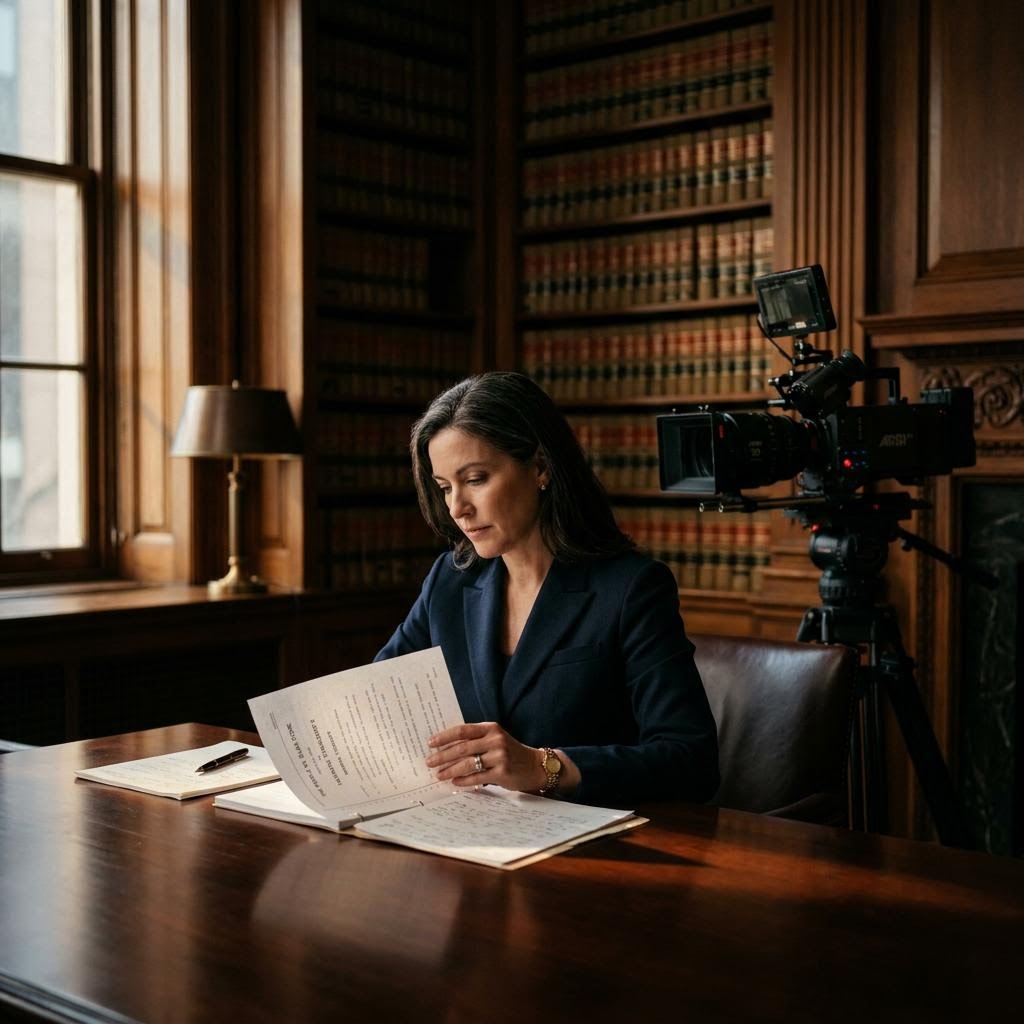
A distributed remote deposition succeeds through a deliberately designed, defensible record—from authority and roles to exhibits, capture, interruption response, and verified delivery—not a platform choice alone.

A fictional five-city federal-deposition scenario with a decision matrix, ownership chart, custody controls, and failure playbook.
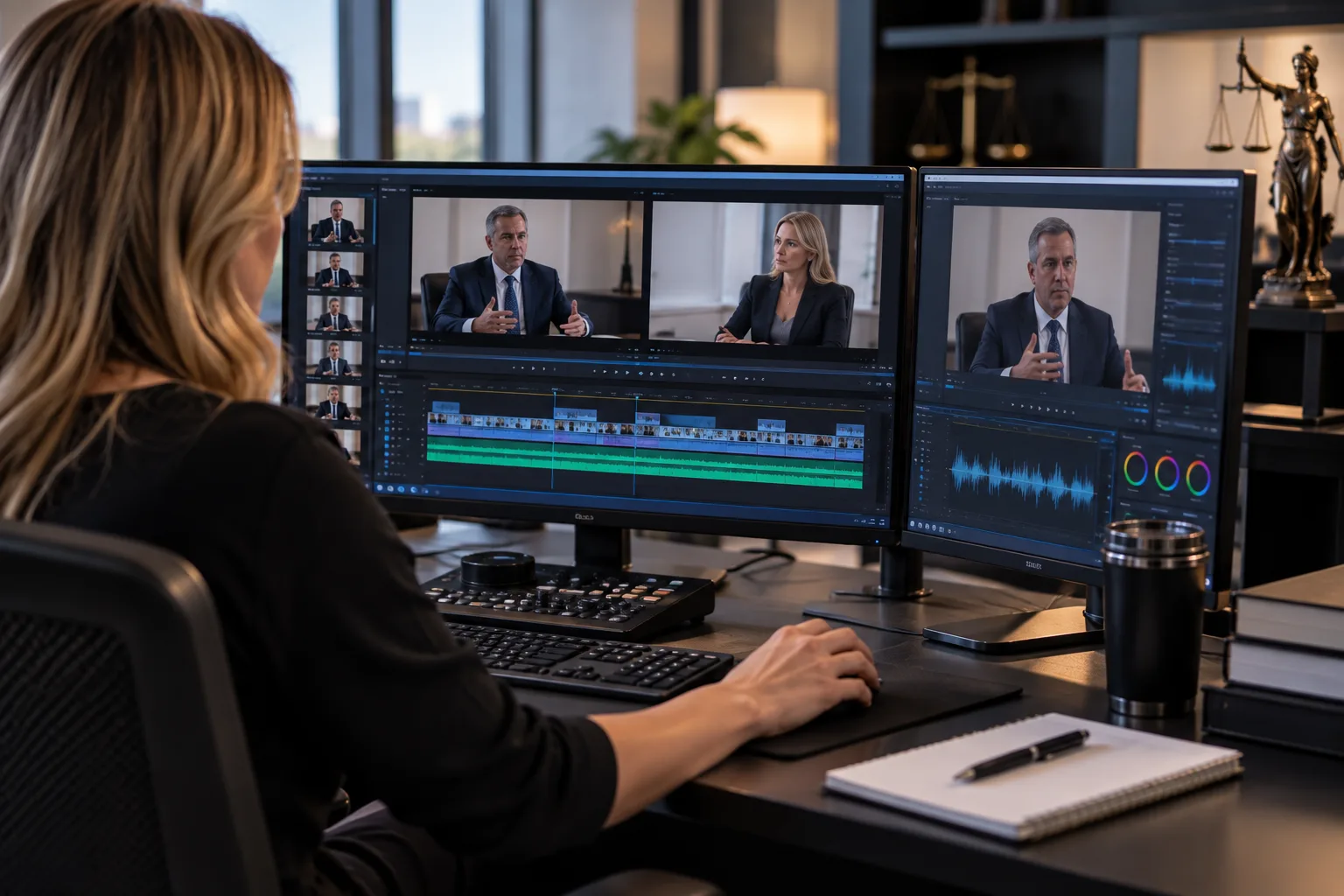
A practical guide to turning recorded testimony into organized, synchronized, trial-ready legal media for litigation teams.
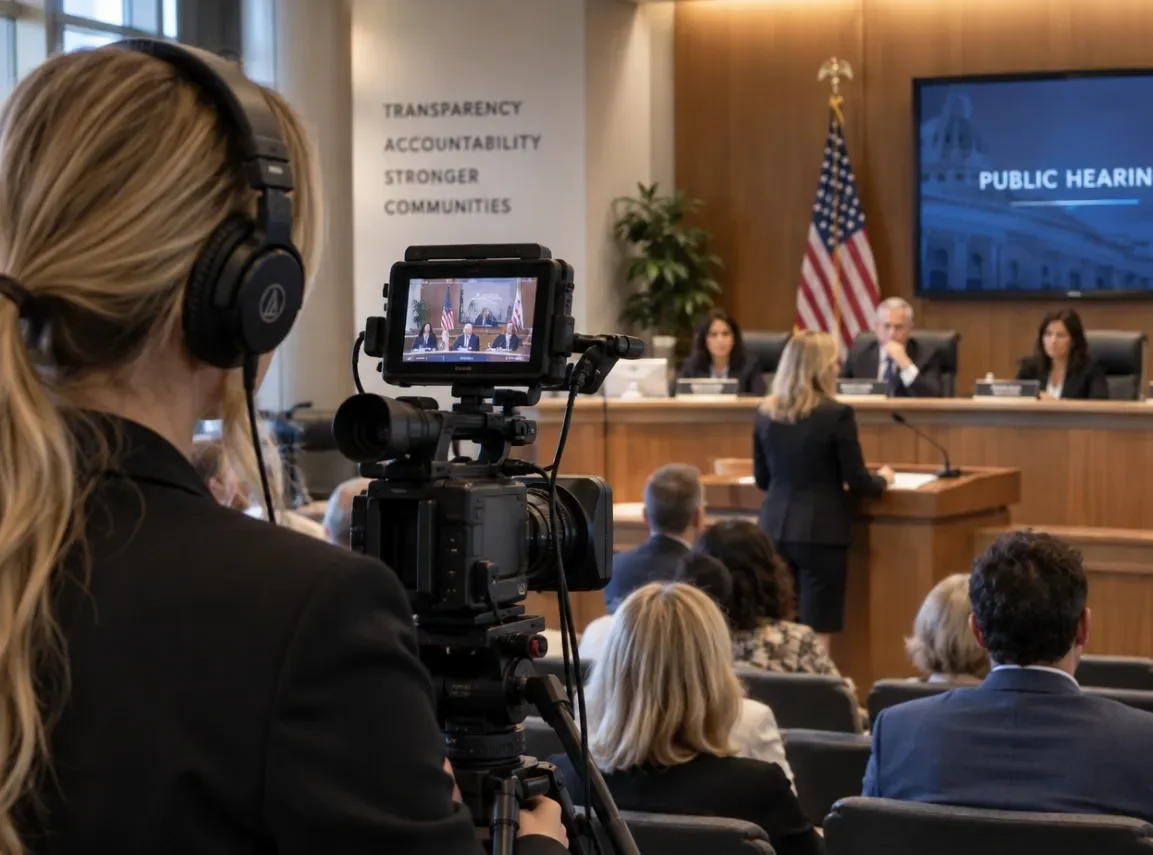
Professional legal video can capture the evidence, preserve the story, and show how an injury, loss, or proceeding affects real life in ways documents alone cannot.
Pricing
Pricing packages starting at $135. Get a quote for exact rates for your needs.
Time-sensitive assignments
Same-day services may be available for qualifying assignments with approximately 2–6 hours advance notice, subject to location, scope, and professional availability.
These answers help counsel assign authority without transferring legal judgment to technical personnel.
Identify the legal-team decision owners for attendance, on-record transitions, exhibit release, interruption response, and final recording direction, along with the person authorized to communicate each decision.
Counsel should establish an escalation authority before testimony. Caption Legal follows the confirmed instruction path and does not resolve competing legal directions.
Technical support can address the connection issue, but the authorized proceeding participants decide the procedural consequence and whether testimony should continue.
Counsel should evaluate the requirements applicable to the particular proceeding. Caption Legal does not interpret court guidance or determine deposition protocol.
Send the deposition date, confirmed remote arrangement, decision owners, instruction path, disruption escalation plan, and requested recording direction for scheduling review.
Request Services