Purpose before technology
Coordination begins with what remote participation must accomplish for the testimony.
 NationwideLegal video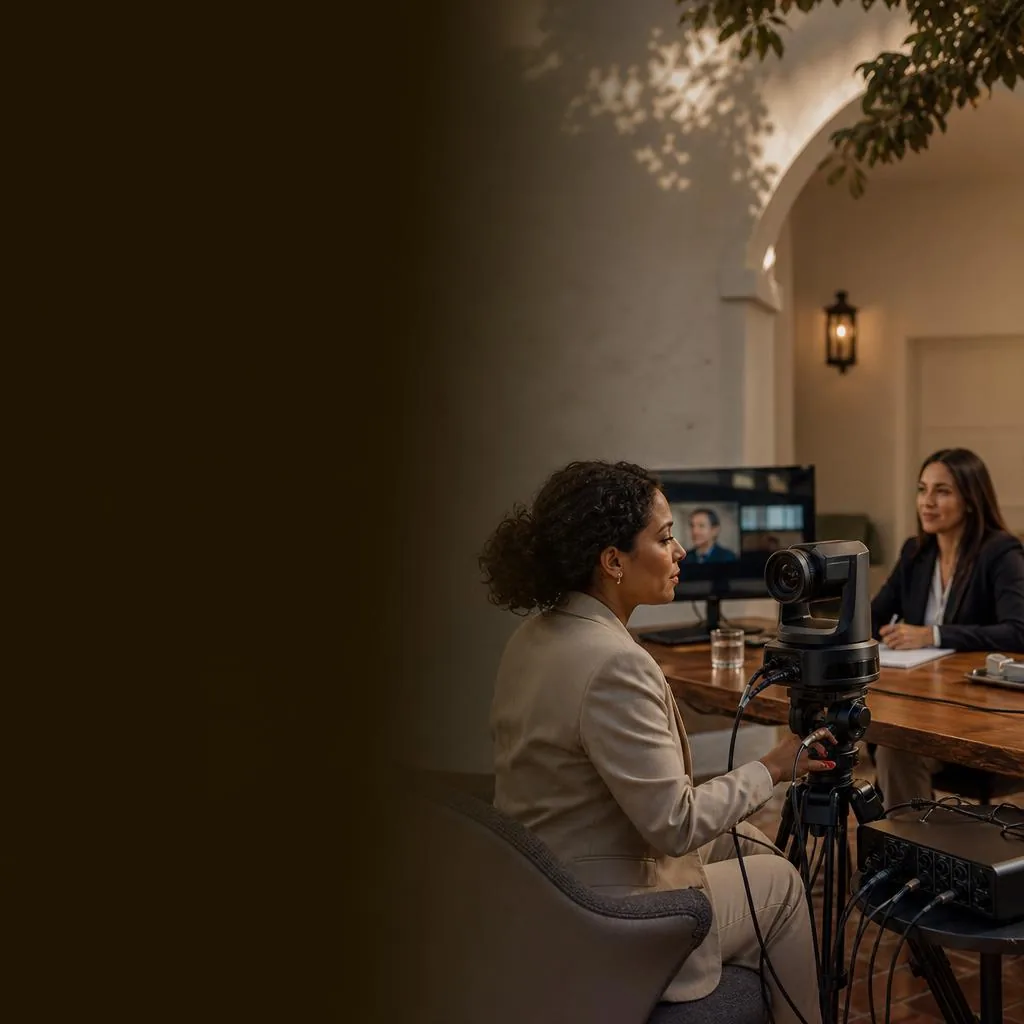
Coordinate remote testimony for a San Luis Obispo matter by defining why participants are distributed, how counsel wants the session governed, and what continuity the legal team needs from opening appearances through completion.
Purpose before technology
Coordination begins with what remote participation must accomplish for the testimony.
Clear lines of authority
The legal team identifies who directs each proceeding function and operational decision.
Continuity planning
The request addresses how testimony should proceed through interruptions and participant transitions.
Format discipline
Fully remote and hybrid arrangements are treated as distinct participation models.
San Luis Obispo / preparation
Confirm the people, setting, timing, and requested deliverables for this remote deposition before work begins in San Luis Obispo.
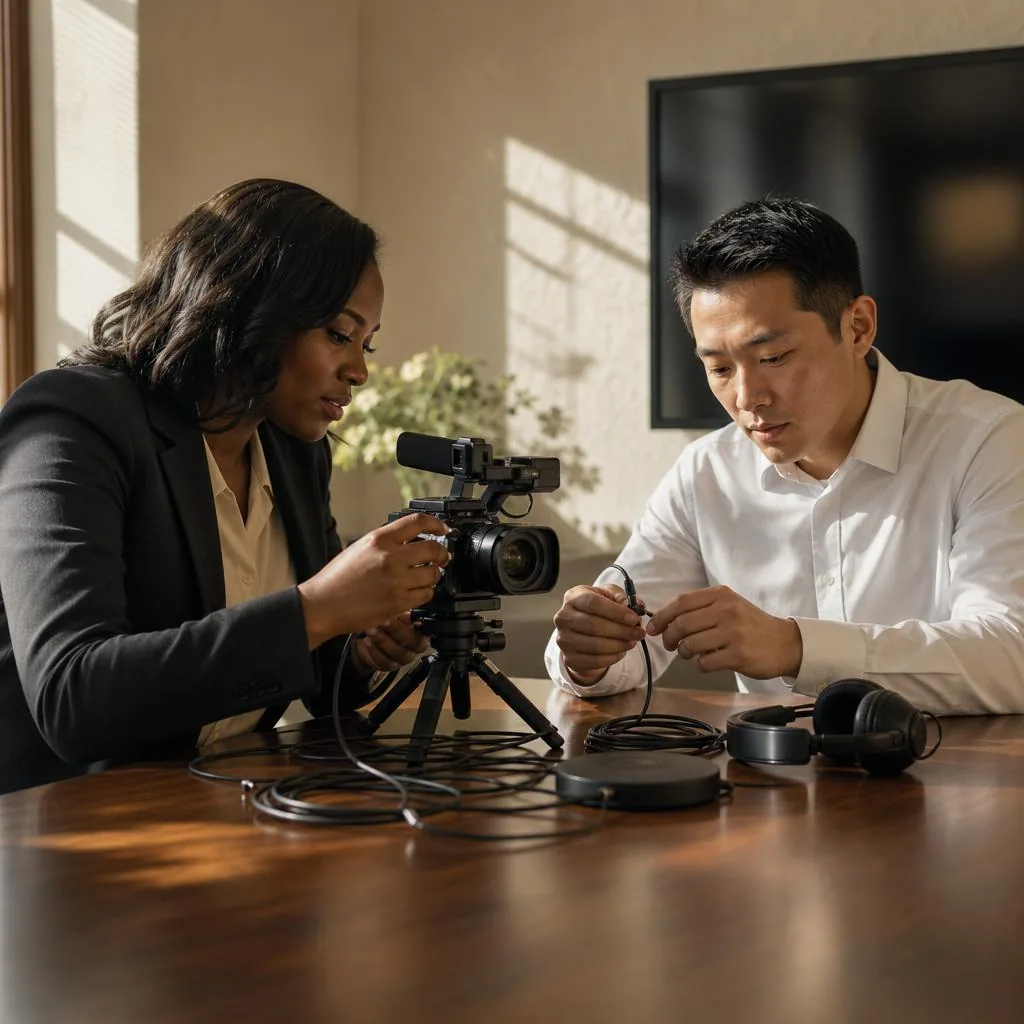
San Luis Obispo / live work
A focused remote deposition workflow keeps the legal team’s stated proceeding plan central while the work is underway.
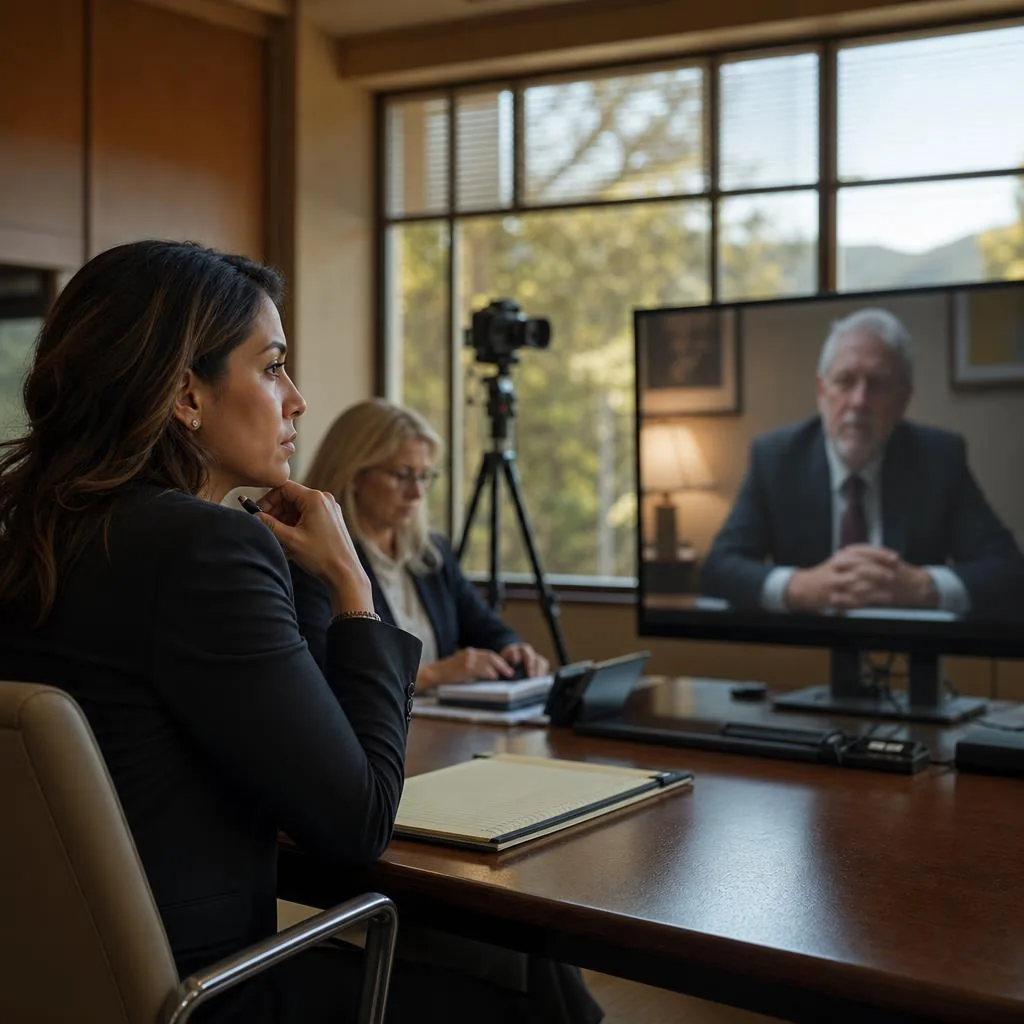
San Luis Obispo / record detail
The assignment is handled with attention to the agreed scope, source materials, and the practical details that shape a usable record.
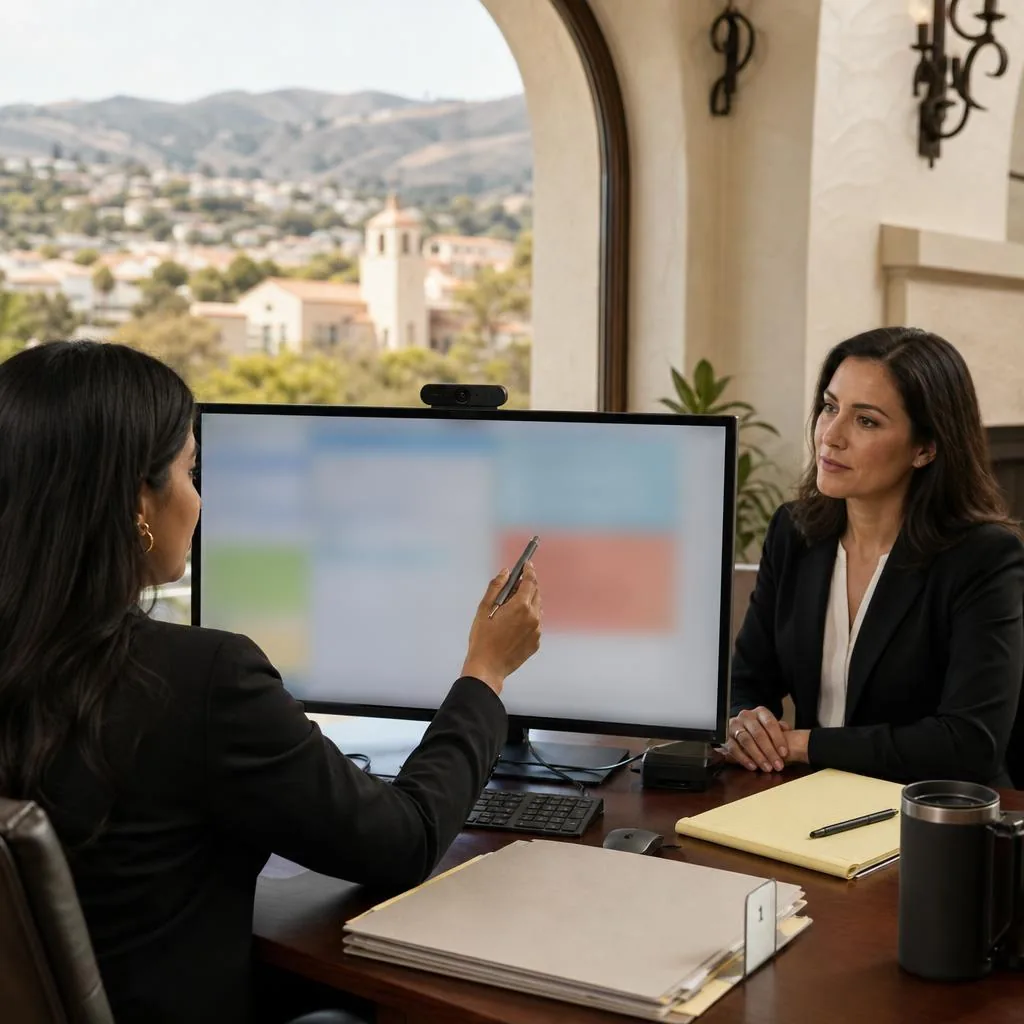
San Luis Obispo / handoff
Before delivery, confirm the recipients, file expectations, and any follow-on work requested by the San Luis Obispo legal team.
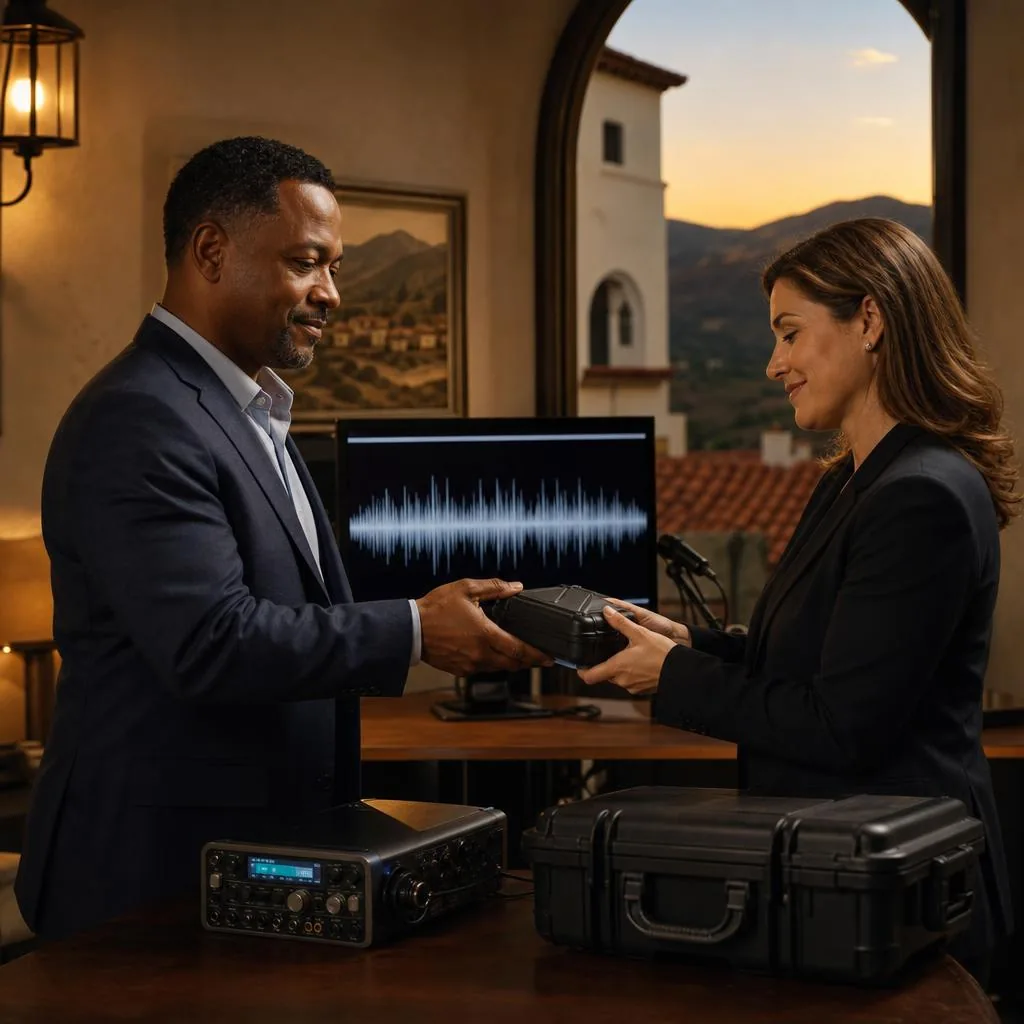
The choice to proceed remotely should lead to a clear participation design, not simply reproduce an in-person room on screen.
A San Luis Obispo matter may involve a witness, examining counsel, defending counsel, a reporter, an interpreter, or observers working from separate settings. Counsel can begin by identifying why the distributed format serves the scheduled testimony and which interactions must remain clear throughout the session.
Caption Legal coordinates requested remote support around the legal team’s direction. Counsel and the appropriate authorities remain responsible for notice, stipulations, confidentiality, privilege, attendance, and deposition procedure.
Explore the national Remote Depositions serviceSan Luis Obispo coordination
Tell us what the record needs next. We’ll coordinate the right technical setup for your proceeding.
Counsel can frame the request around authority, participation, and continuity before addressing individual technical details.
State what the remote format must enable—for example, examining a witness from separate settings, accommodating a necessary participant, or allowing authorized observation.
Identify who directs the deposition, who manages the official record, who may present materials, and who can resolve an operational question during the session.
Decide how the team wants to handle interruptions, private attorney-client communication, participant re-entry, and transitions involving an interpreter or presented material.
Clarify which attendees will speak, examine, defend, interpret, report, present, or observe so each person’s function is understood.
The appropriate structure follows the legal team’s purpose for distributing the proceeding.
A remote deposition model centered on clear examination, defense, and record-making responsibilities.
A participation design that identifies how interpreted testimony will move among the witness, counsel, and reporter.
When a central in-person setting remains part of the assignment, hybrid deposition support may provide the more accurate framework.
Scheduling can review the assignment when counsel provides the proceeding objective and the decisions governing participation.
Describe the testimony to be taken and what the remote arrangement must accomplish for the legal team.
Identify the examining and defending roles, reporter, interpreter if any, authorized presenters, and the contact who can direct operational decisions.
Provide counsel’s direction for attendance changes, interruptions, private communications, presented material, and other transitions relevant to the assignment.
State the confirmed session schedule and the requested record or separate follow-on service needed after testimony concludes.
San Luis Obispo / next step
Call our scheduling team or share the proceeding details. We’ll help coordinate the next technical handoff.
A matter can remain centered in San Luis Obispo while testimony participants join from separate settings. Coordination should reflect each person’s function in the proceeding rather than making assumptions from a city name or physical proximity.
If the witness and a core group will share a room while others join remotely, identify that arrangement at the outset. It may call for hybrid support because the shared physical environment becomes part of the testimony plan.
Explore all services in San Luis ObispoHybrid depositions address a central physical room, legal videography addresses the requested visual record, and transcript synchronization can support later testimony navigation. Each serves a distinct decision in the matter.
Coordinated physical-room and virtual-platform support for proceedings with distributed participants.
Professional video and audio capture for depositions, hearings, examinations, and other recorded legal proceedings.
Synchronized transcript and video deliverables that make recorded testimony easier to navigate.
From the Research Center
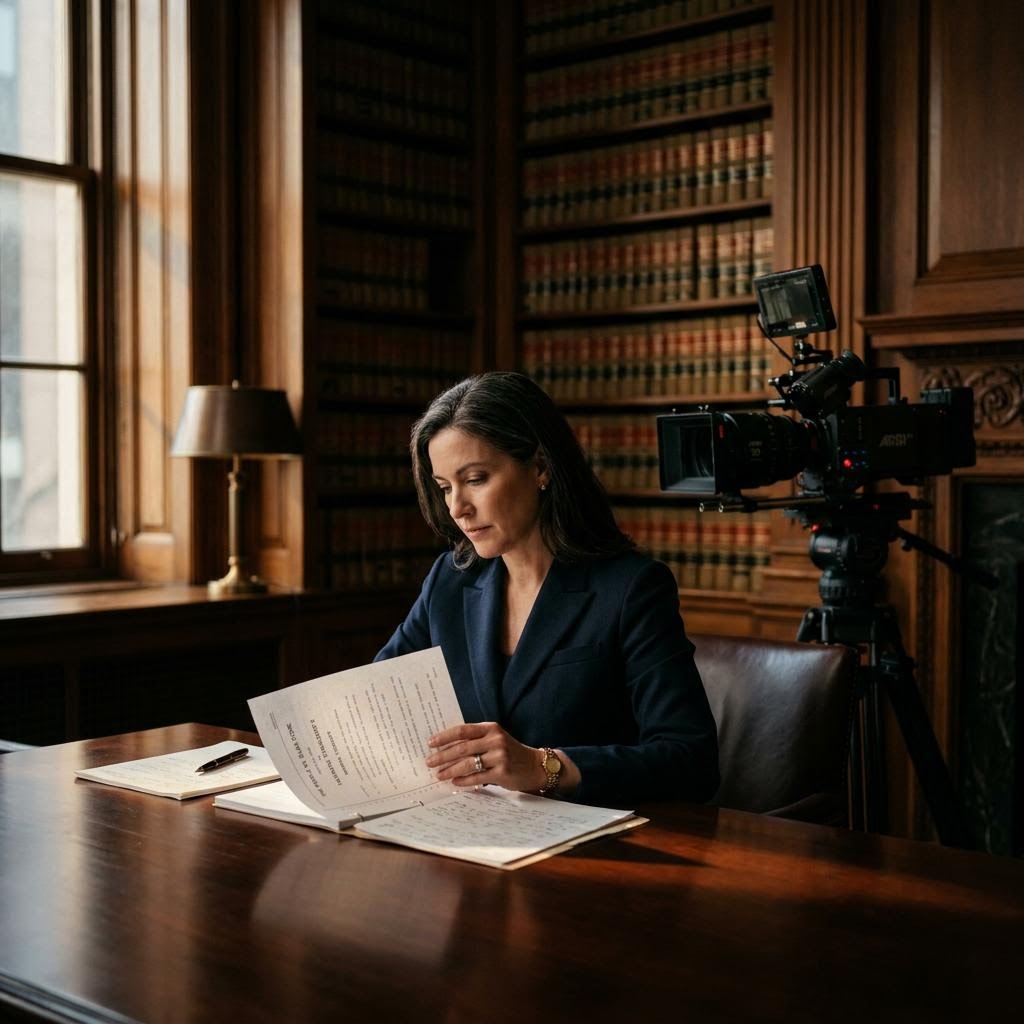
A distributed remote deposition succeeds through a deliberately designed, defensible record—from authority and roles to exhibits, capture, interruption response, and verified delivery—not a platform choice alone.

A fictional five-city federal-deposition scenario with a decision matrix, ownership chart, custody controls, and failure playbook.
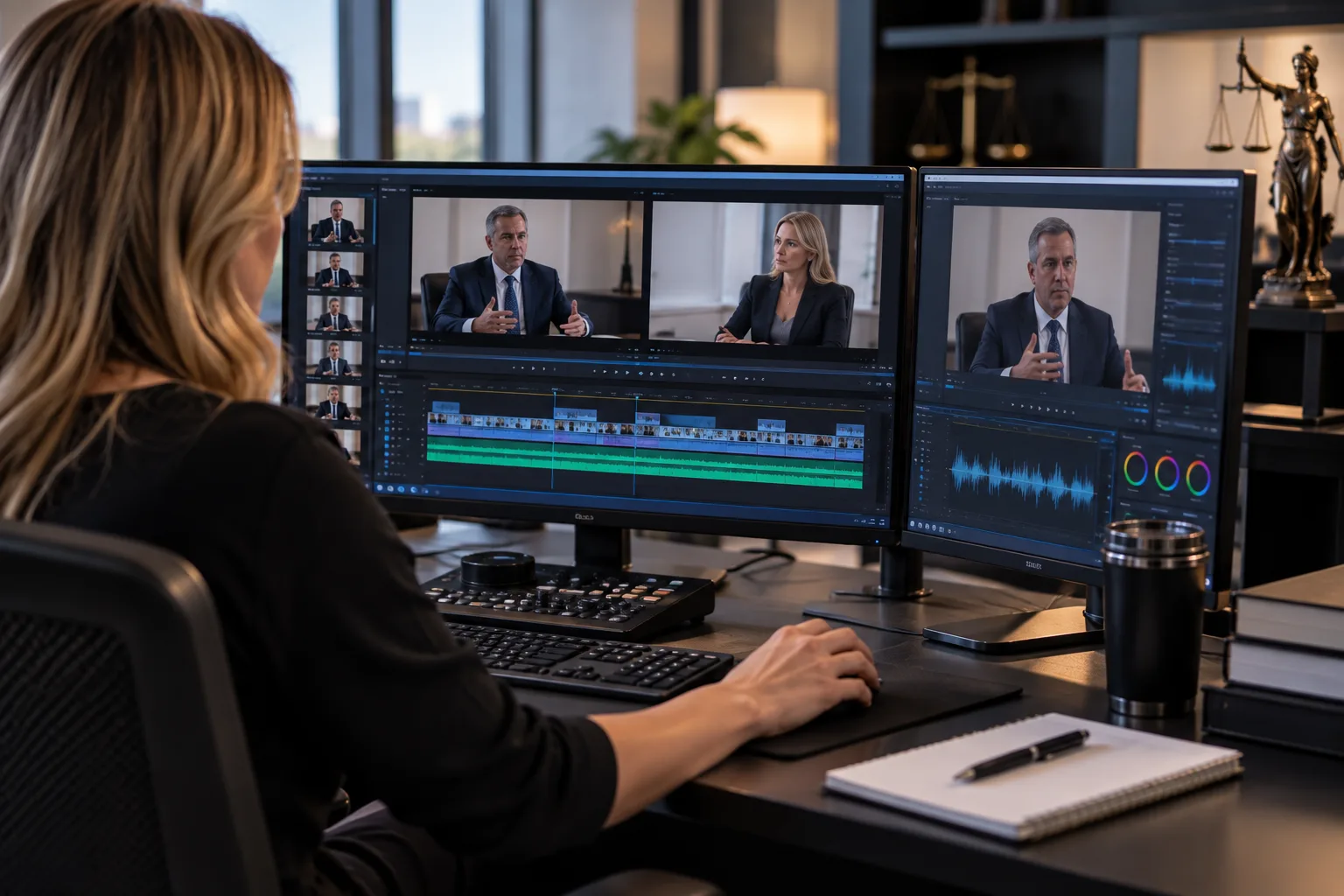
A practical guide to turning recorded testimony into organized, synchronized, trial-ready legal media for litigation teams.
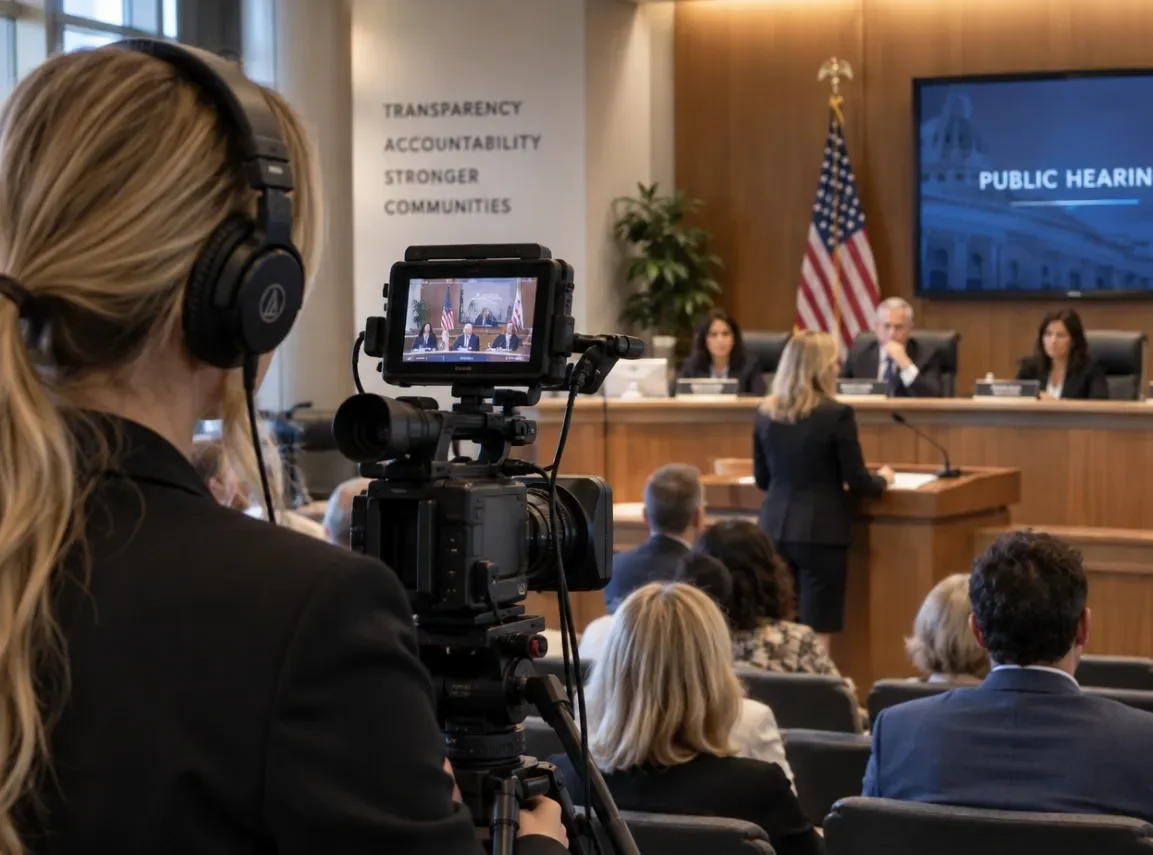
Professional legal video can capture the evidence, preserve the story, and show how an injury, loss, or proceeding affects real life in ways documents alone cannot.
Pricing
Pricing packages starting at $135. Get a quote for exact rates for your needs.
Time-sensitive assignments
Same-day services may be available for qualifying assignments with approximately 2–6 hours advance notice, subject to location, scope, and professional availability.
These answers help counsel decide how a distributed testimony session should function.
Define what remote participation must accomplish for the testimony. That purpose helps distinguish essential speaking and record-making functions from observation and informs the coordination request.
The legal team should identify a contact who can provide direction during the assignment. Caption Legal does not resolve legal disputes or decide deposition procedure.
Counsel can provide its expectations for pausing testimony, participant re-entry, private communications, and resuming the session. Any legal protocol remains for counsel and the appropriate authorities to determine.
If the witness and other core participants share a physical room while additional attendees join remotely, the room itself affects testimony coordination and hybrid support may be more appropriate.
Share the testimony objective, attendance functions, decision authority, continuity expectations, confirmed schedule, and requested record so Scheduling can review the distributed proceeding.
Request Services