Purpose-led capture
The reason for creating the record is established first.
 NationwideLegal video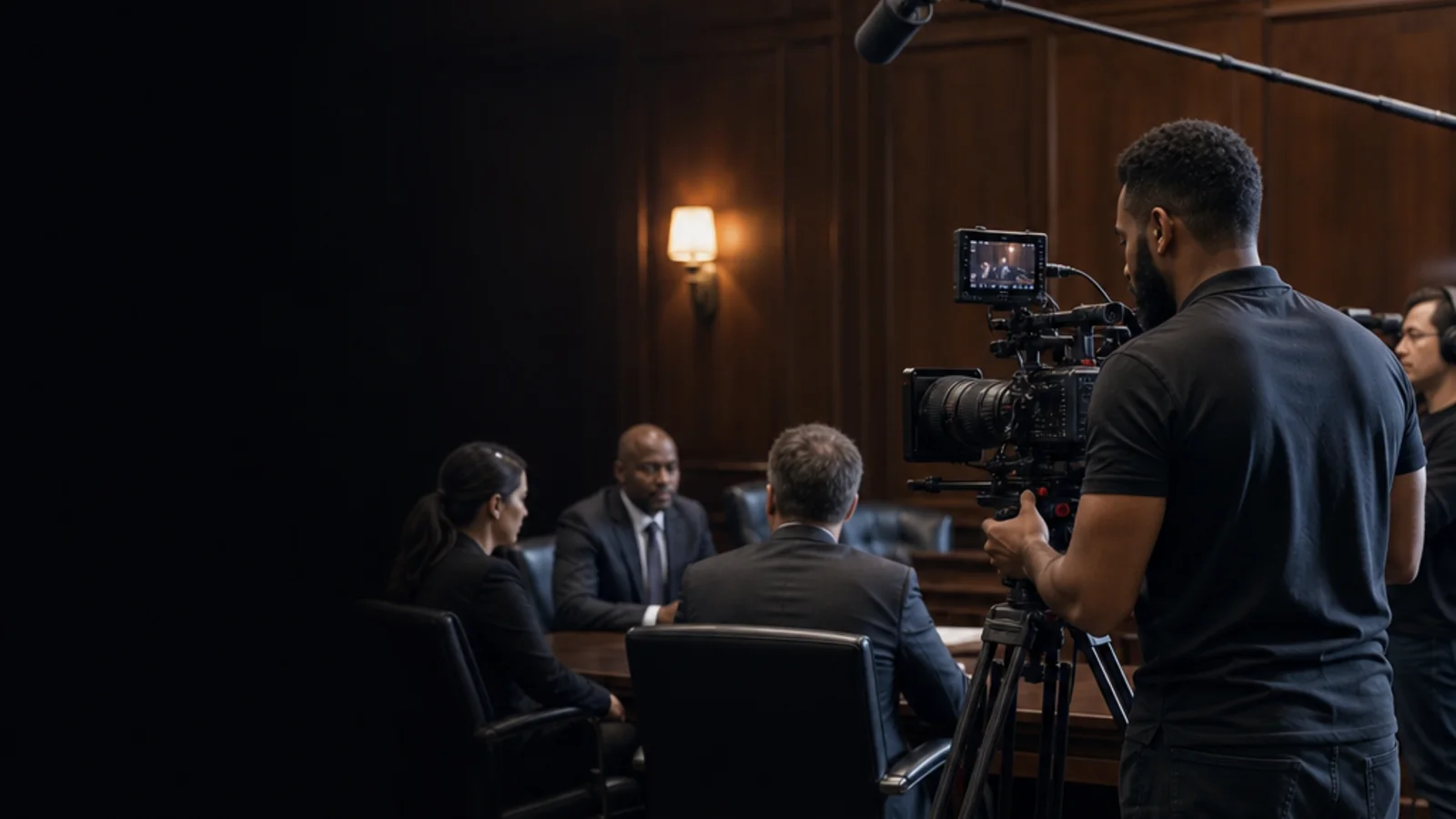
Caption Legal helps Sacramento counsel define the video record before capture: the legal team’s purpose, the position of each participant, and the decision the completed media must support.
Purpose-led capture
The reason for creating the record is established first.
Participant positioning
Each person’s place in the proceeding is distinguished.
Forum discipline
Production planning remains separate from court procedure and access.
Decision-based delivery
The next authorized use guides the requested handoff.
Sacramento / preparation
Confirm the people, setting, timing, and requested deliverables for this legal videography assignment before work begins in Sacramento.
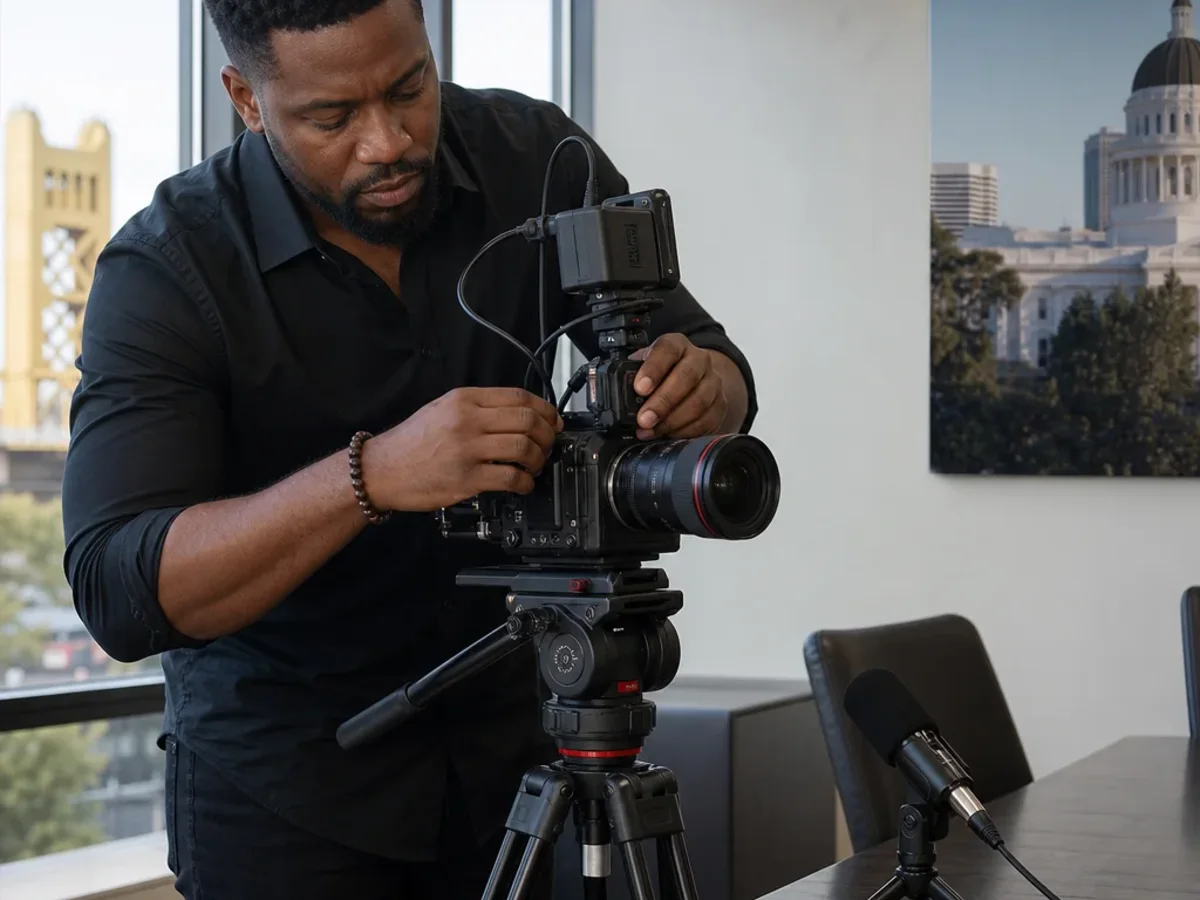
Sacramento / live work
A focused legal videography assignment workflow keeps the legal team’s stated proceeding plan central while the work is underway.
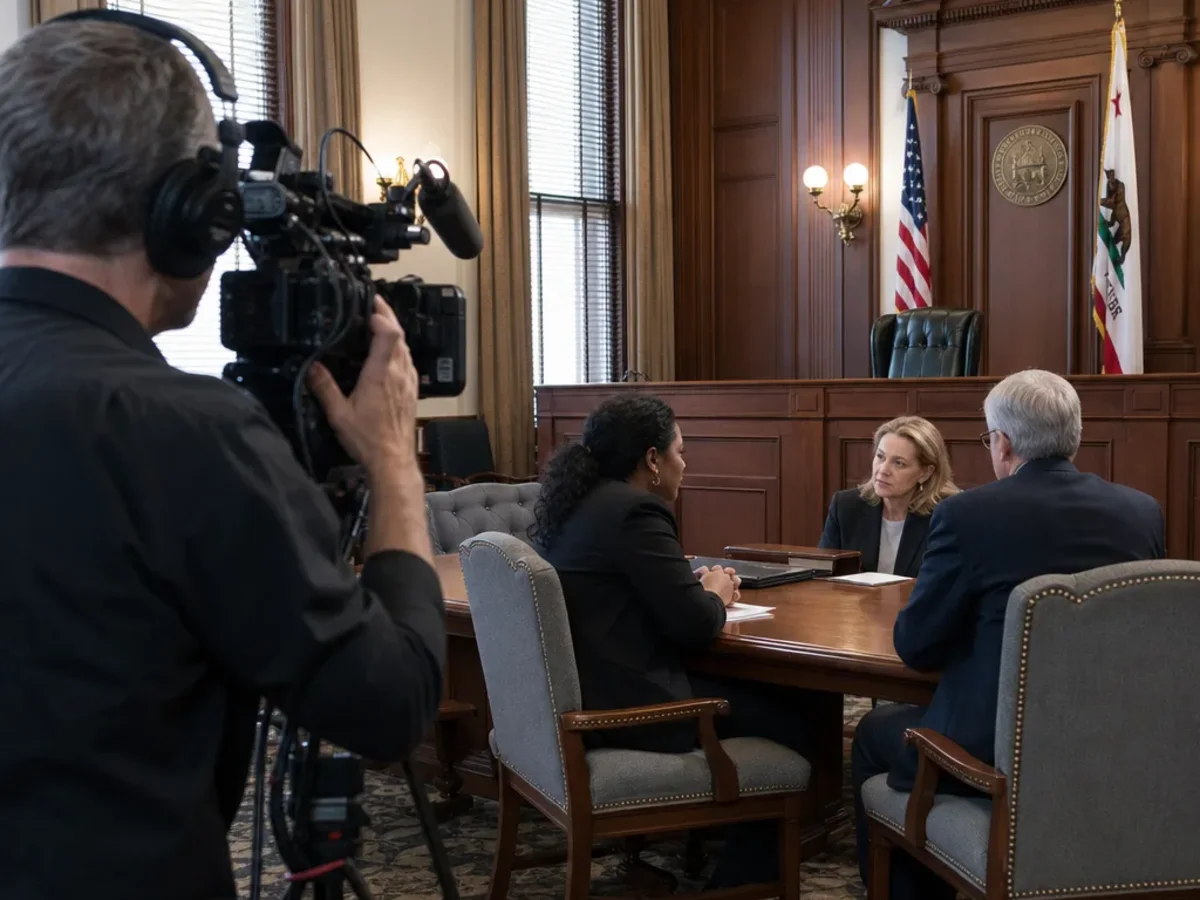
Sacramento / record detail
The assignment is handled with attention to the agreed scope, source materials, and the practical details that shape a usable record.
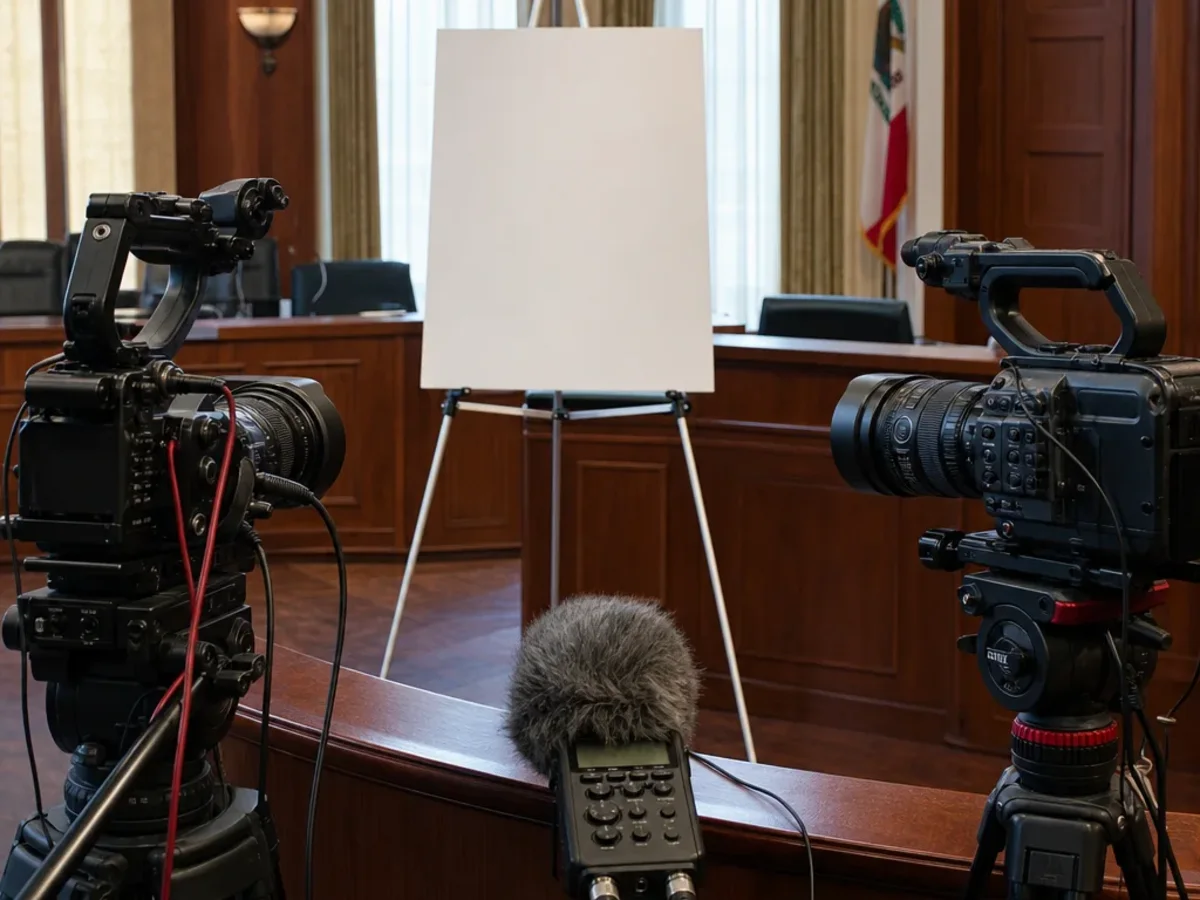
Sacramento / handoff
Before delivery, confirm the recipients, file expectations, and any follow-on work requested by the Sacramento legal team.
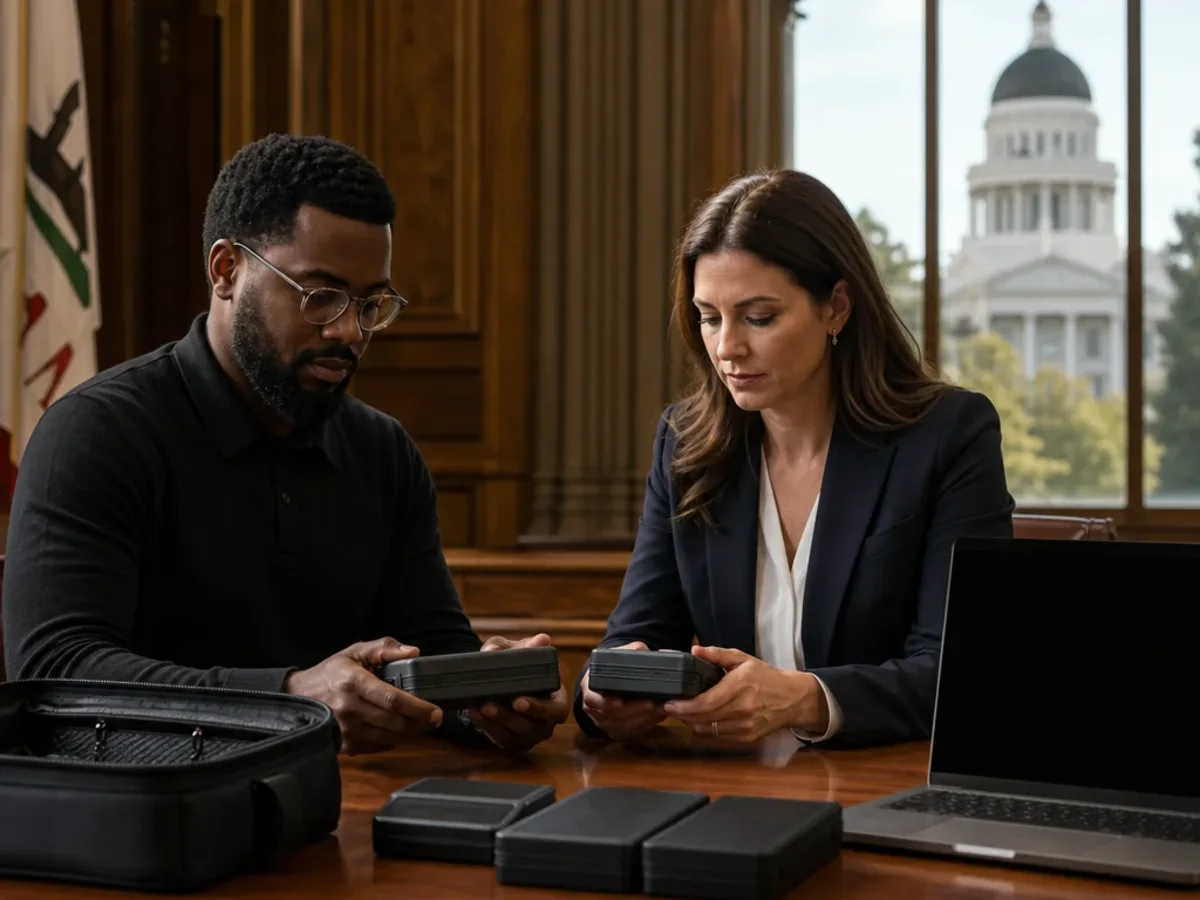
Legal videography is not one undifferentiated form of recording.
A deposition record, examination record, hearing-related assignment, and attorney review asset serve different purposes. In a Sacramento matter, counsel may also be tracking an assigned Civil Home Court Department, current remote-appearance information, or a separate federal forum; those proceeding facts should be kept distinct from the production purpose.
Caption Legal carries out the confirmed capture assignment without deciding what testimony means, whether media is admissible, or how it should be used. Those judgments remain with counsel and the applicable decision-maker.
Explore the national Legal Videography serviceSacramento coordination
Tell us what the record needs next. We’ll coordinate the right technical setup for your proceeding.
Counsel can frame a useful request by answering why the record is needed, where each person sits in it, and what decision follows capture.
Identify whether the video is intended to preserve testimony, document an authorized event, support internal evaluation, or supply media for a later attorney-directed workflow.
Distinguish the person whose testimony or activity is being recorded from counsel, reporter, interpreter, observers, and anyone participating remotely.
Explain who will receive the media and whether the next step is review, synchronization, editing, captioning, or presentation preparation.
The production configuration follows the legal team’s reason for creating the record.
Legal video planned around the witness, questioning, and other confirmed participant positions.
Hybrid coordination when participants occupy both a physical setting and a virtual environment.
Separate editing or synchronization considered according to counsel’s next use.
Coordination follows three substantive choices and a final confirmation rather than treating capture as a generic room setup.
Name the proceeding or authorized event and the legal-team decision the record is expected to support.
Identify who is recorded, who directs the proceeding, who supports it, and who joins from another setting.
Describe the authorized audience and any synchronization, editing, captioning, or presentation need.
Provide the date and confirmed Sacramento setting or remote context so Scheduling can assess the complete request.
Sacramento / next step
Call our scheduling team or share the proceeding details. We’ll help coordinate the next technical handoff.
A Sacramento civil department, a federal forum, a private deposition setting, and a remote session are not interchangeable. Identify the actual proceeding and current instructions while keeping court procedure separate from the requested video-production role.
Caption Legal does not imply a Sacramento office, court relationship, or venue access. Counsel should provide the confirmed location or remote arrangement and any applicable instructions.
Explore all services in SacramentoHybrid deposition support addresses mixed participation, transcript synchronization supports testimony navigation, and editing prepares attorney-directed media after counsel has chosen the record’s next use.
On-site deposition videography with disciplined framing, clear audio, and an unobtrusive professional presence.
Coordinated physical-room and virtual-platform support for proceedings with distributed participants.
Synchronized transcript and video deliverables that make recorded testimony easier to navigate.
Focused editing for deposition video, trial presentation material, and other legal media.
Research Center
Pricing
Pricing packages starting at $135. Get a quote for exact rates for your needs.
Time-sensitive assignments
Same-day services may be available for qualifying assignments with approximately 2–6 hours advance notice, subject to location, scope, and professional availability.
These answers help counsel distinguish record purpose from production format.
Identify why a video record is needed and which proceeding, testimony, or authorized event it should document. The purpose should be clear before a capture configuration is selected.
The person being recorded, examining counsel, reporter, interpreter, observers, and remote participants occupy different positions in the proceeding. Distinguishing them helps counsel describe the intended record accurately.
Identify the authorized recipient and whether the next decision involves ordinary review, transcript synchronization, editing, captioning, or presentation planning.
Pricing packages start at $135. Request a quote for exact rates based on the confirmed purpose, proceeding, location, timing, and requested record.
Share the record purpose, participant positions, confirmed proceeding context, and intended delivery use so Scheduling can review the assignment.
Request Services