Thesis discipline
Observation follows a narrow purpose approved by counsel.
 NationwideLegal video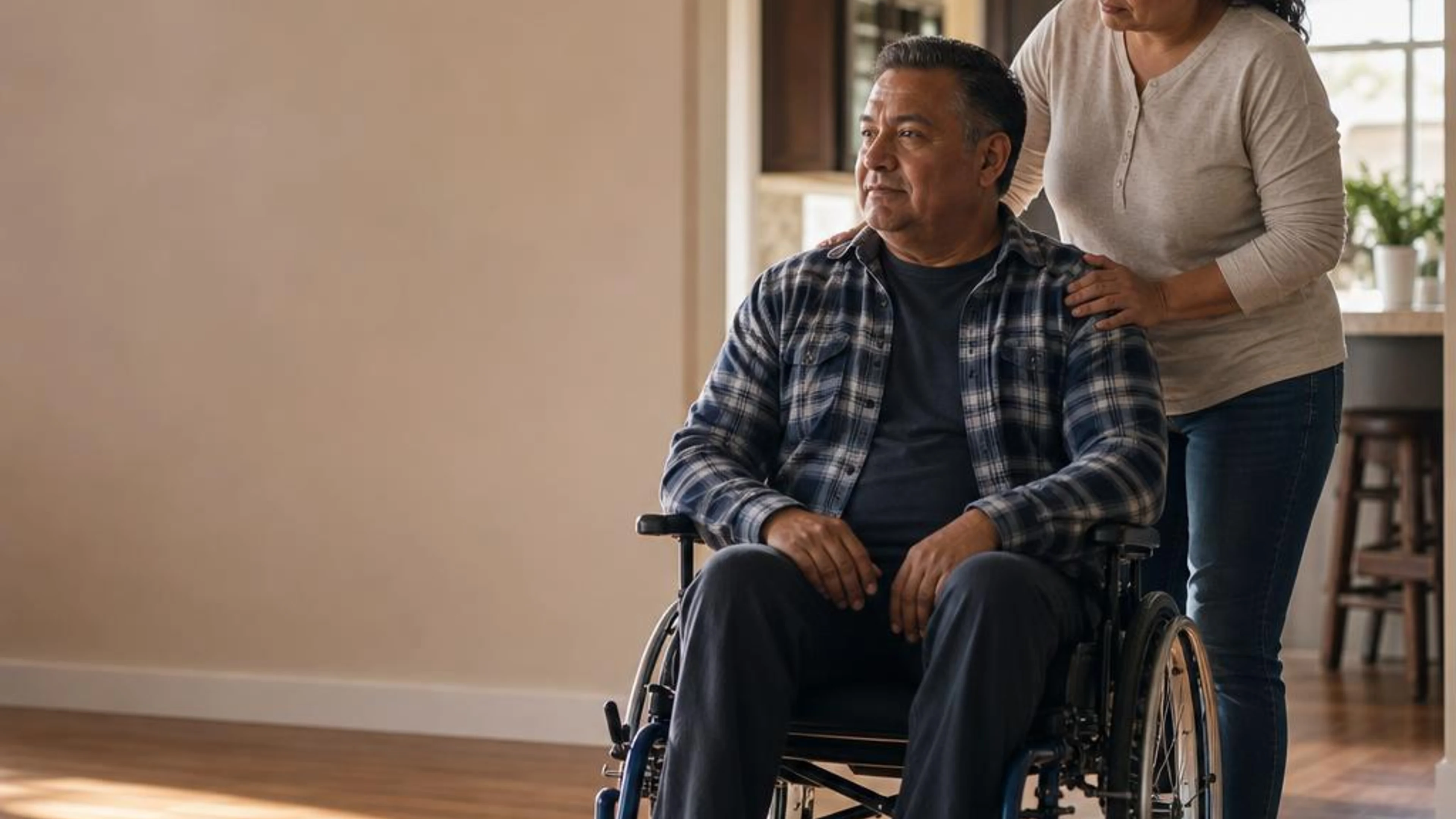
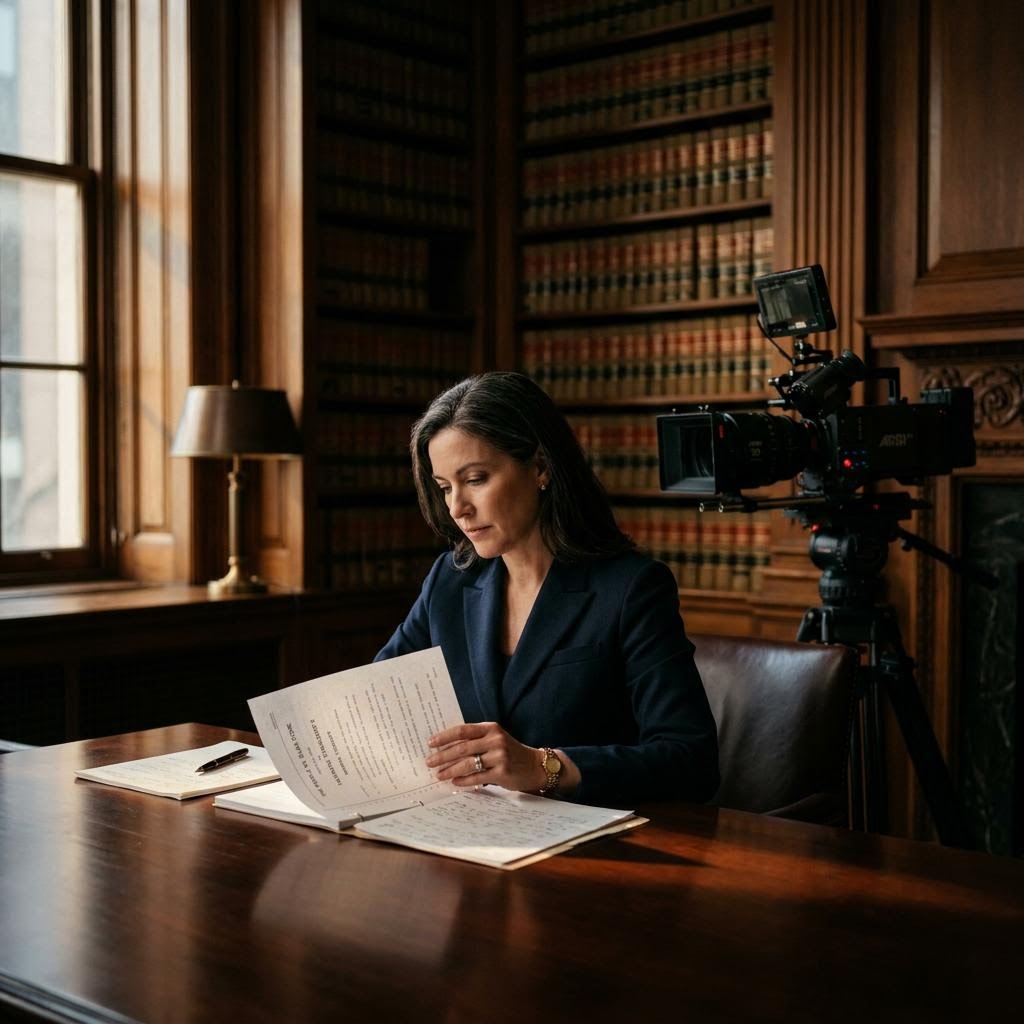
Caption Legal coordinates Fresno day-in-the-life production from an observational thesis approved by counsel, with explicit authority over which ordinary scenes may be filmed and which may advance to attorney review.
Thesis discipline
Observation follows a narrow purpose approved by counsel.
Natural activity
The production does not stage conduct to imply a conclusion.
Stop authority
A named contact can address permission, privacy, safety, or scope concerns.
Counsel-selected scenes
The designated attorney controls what advances to an edited review set.
A day-in-the-life record should have a defensible reason for observing daily activity without scripting what the camera is expected to prove.
Counsel can state the limited proposition the production is intended to observe—for example, how an identified routine unfolds—then decide which ordinary settings and activities are eligible to inform that proposition. The thesis guides attention while leaving the documented activity to occur as it ordinarily does.
Caption Legal does not stage conduct, diagnose a condition, measure damages, or decide what the finished media establishes. Those judgments remain with the appropriate legal and medical professionals.
Explore the national Day-In-The-Life Production serviceFresno coordination
Tell us what the record needs next. We’ll coordinate the right technical setup for your proceeding.
The assignment separates the reason for observing from the authority to include a scene in attorney-review media.
Counsel states the narrow daily-life question the record is intended to help the legal team observe.
Identify ordinary activities and settings that may bear on the approved thesis without directing a performance.
Name the person who may stop observation when a privacy, permission, safety, or scope concern arises.
Identify the attorney authorized to decide which observed scenes may enter an edited review set.
The production structure follows the approved thesis and the natural order of eligible activity.
A restrained record of eligible ordinary activities within a counsel-approved observational frame.
Observation of approved transitions where each Fresno location and permission has been established.
Separate legal video editing after counsel identifies which observed scenes may proceed.
The workflow protects the distinction between what may be observed, what is captured, and what counsel later authorizes for use.
Counsel supplies the limited purpose, eligible activity categories, and matters the production should not address.
Confirm Fresno settings, participants, permissions, and the person empowered to stop observation.
Production follows the approved frame without directing the participant to demonstrate a legal or medical conclusion.
The designated attorney identifies what may move from captured material into a separately requested review edit.
Fresno / next step
Call our scheduling team or share the proceeding details. We’ll help coordinate the next technical handoff.
A Fresno assignment may involve a residence and other confirmed places used in an ordinary routine. Each setting requires its own permission and practical instructions; Caption Legal does not imply preexisting access to any property.
When activity extends beyond Fresno or involves additional participants, counsel can decide whether the expanded setting still serves the approved observational thesis before it enters the production plan.
Explore all services in FresnoMed-legal videography documents an examination assignment, while legal video editing and captioning can be requested separately after counsel exercises scene-selection authority.
Measured video documentation for medical-legal examinations, evaluations, and related procedures.
Focused editing for deposition video, trial presentation material, and other legal media.
Professional captions for legal proceedings, recorded testimony, and review-ready media.
From the Research Center
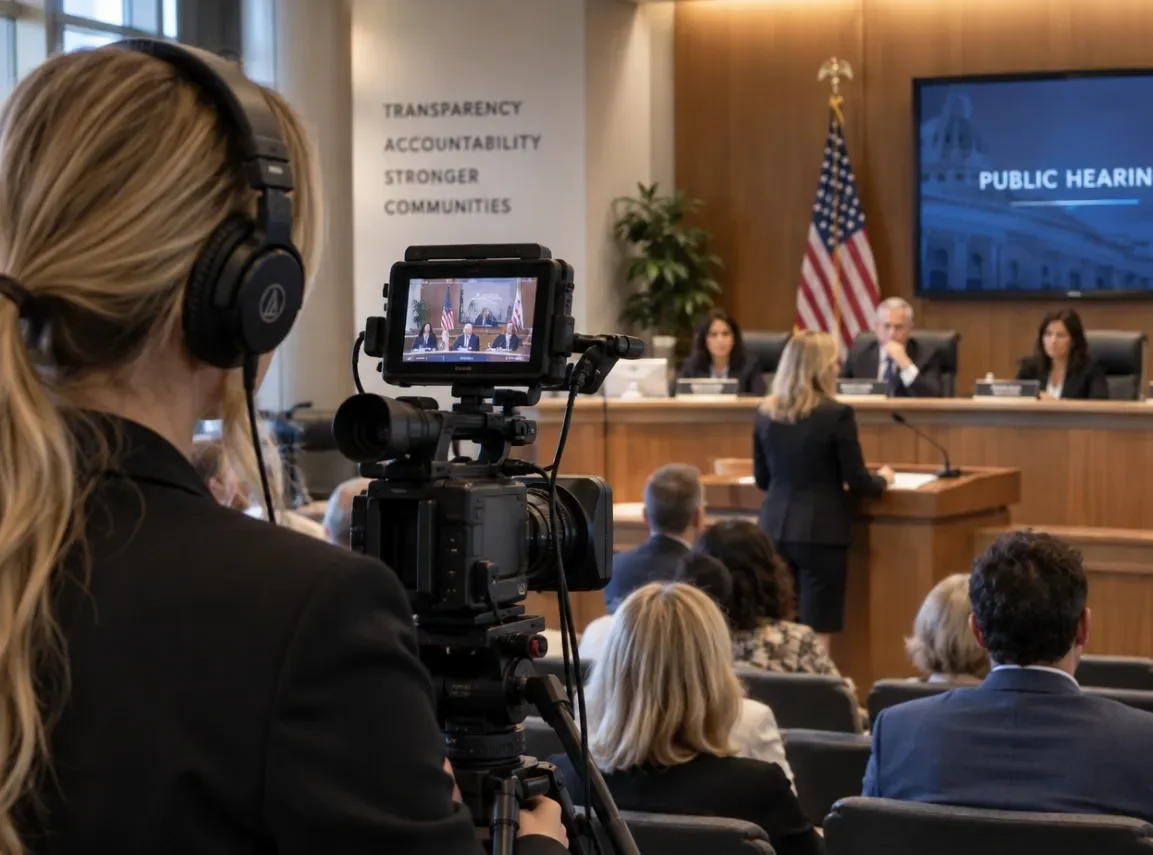
Professional legal video can capture the evidence, preserve the story, and show how an injury, loss, or proceeding affects real life in ways documents alone cannot.
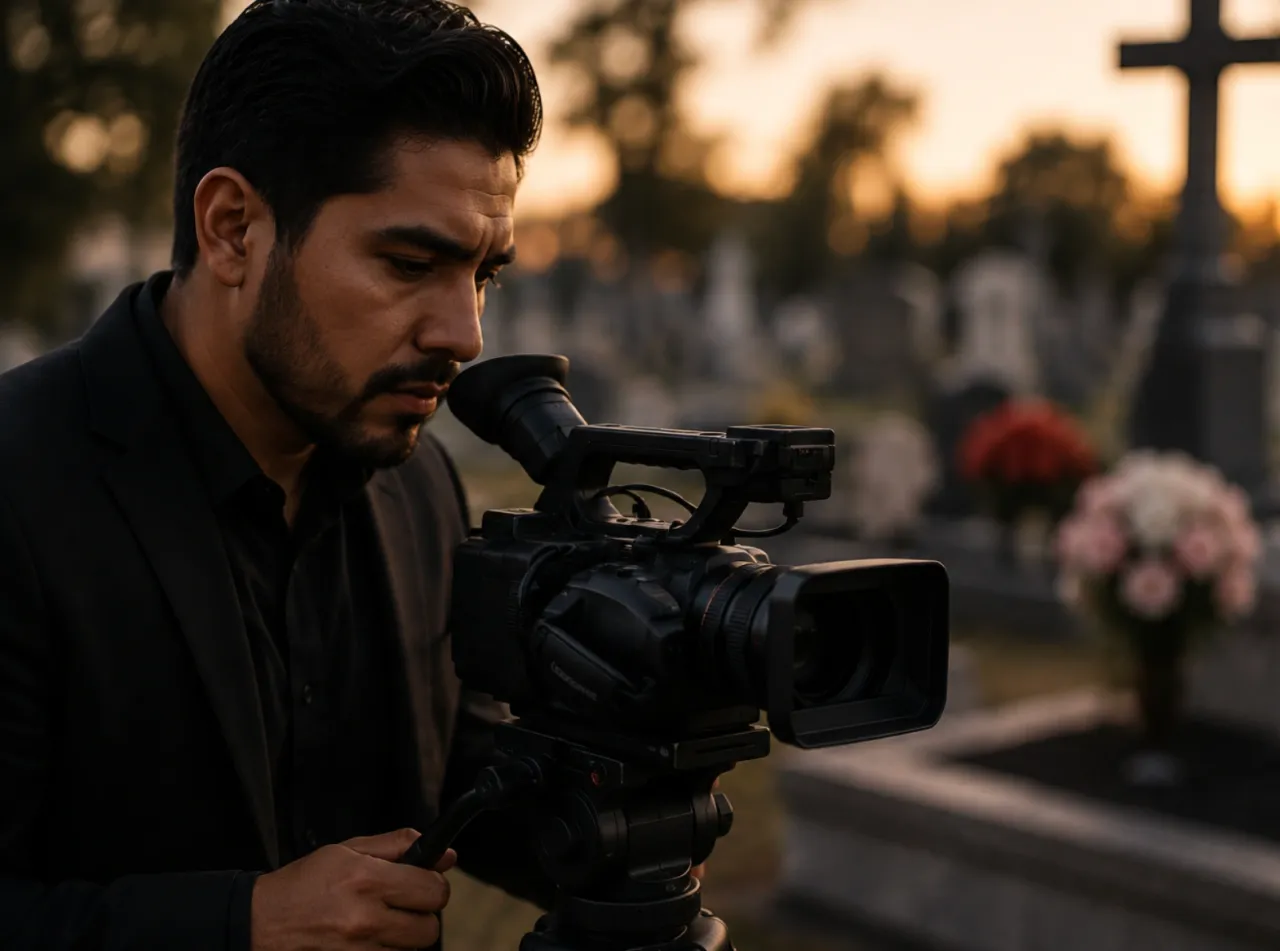
But sometimes, the most critical question in the entire case is much more personal: What does life actually look like now that this person is gone?
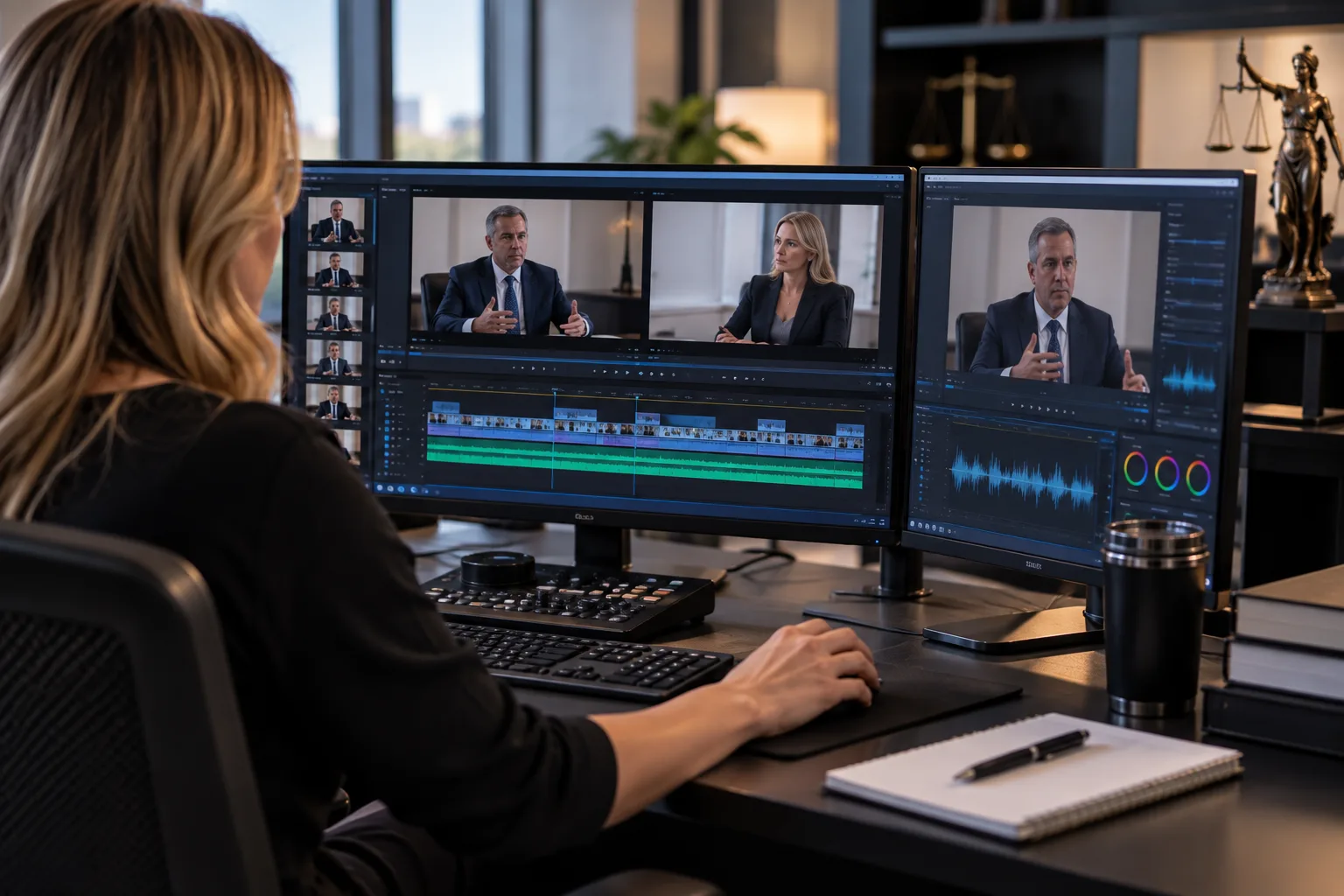
A practical guide to turning recorded testimony into organized, synchronized, trial-ready legal media for litigation teams.
A distributed remote deposition succeeds through a deliberately designed, defensible record—from authority and roles to exhibits, capture, interruption response, and verified delivery—not a platform choice alone.
Pricing
Pricing packages starting at $135. Get a quote for exact rates for your needs.
Time-sensitive assignments
Same-day services may be available for qualifying assignments with approximately 2–6 hours advance notice, subject to location, scope, and professional availability.
These answers clarify who defines the observational purpose and who controls scene selection.
It is counsel’s narrow statement of the daily-life question the production is intended to help the legal team observe. It is not a conclusion the camera is directed to prove.
Counsel identifies eligible scene categories, while confirmed participants and property contacts provide the permissions applicable to people and places.
The plan should name a contact authorized to stop when a privacy, permission, safety, or approved-scope concern arises.
The designated attorney makes scene-selection decisions. Caption Legal does not infer legal importance from captured activity.
Yes. Legal captioning can be coordinated separately after counsel identifies the authorized media set.
Share counsel’s limited observational question, eligible scene categories, confirmed people and places, stop authority, scene-selection attorney, and requested review milestone.
Request Services